
Facial Oil Won’t Make You Oily. Your Moisturiser Might.
July 8, 2026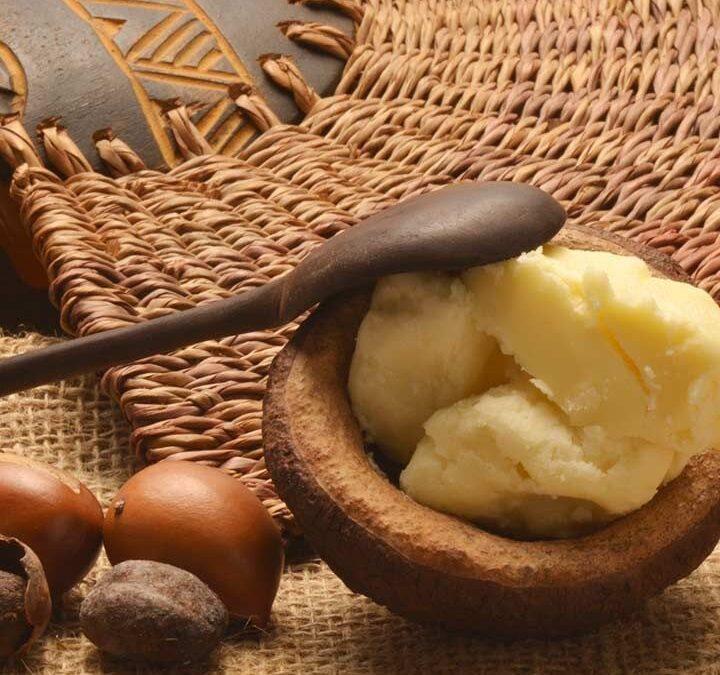
If you grew up in West Africa, some of these ingredients probably don’t sound very exotic.
Shea butter, Mango butter, Cocoa butter, Neem Oil, Baobab Oil, Lemongrass Oil…etc.
You’ve probably seen them in your grandmother’s cupboard, your local market or growing somewhere nearby. These aren’t ingredients we discovered because they suddenly became popular on social media. Many have been part of African food, agriculture and everyday life for generations.
At Kanda, we use them for a simple reason:
They have a purpose in our formulations.
We don’t add an ingredient just because it’s natural or because it sounds impressive on a label. We ask what it contributes, how it works with the other ingredients and whether it makes the finished product better.
Here are seven you’ll find in some Kanda products.
1. Shea Butter (Ori)
If you’ve ever watched someone scoop ori from a container and wondered why it’s been trusted for generations, there’s a good reason.
Shea butter comes from the nuts of the shea tree and is naturally rich and emollient, helping to soften and moisturise the skin.
Why Kanda uses it
We use shea butter in a range of products (shea soap, shea body balm, baby body balm, baby soap etc) when we want a formulation to have a rich, soft and deeply moisturising feel, particularly in body balms and soaps.
Did you know?
Shea trees take several years to begin producing fruit, and the nuts are traditionally collected and processed to make the butter.
Yeah…that little tub of shea butter has quite a story behind it.
2. Mango Butter
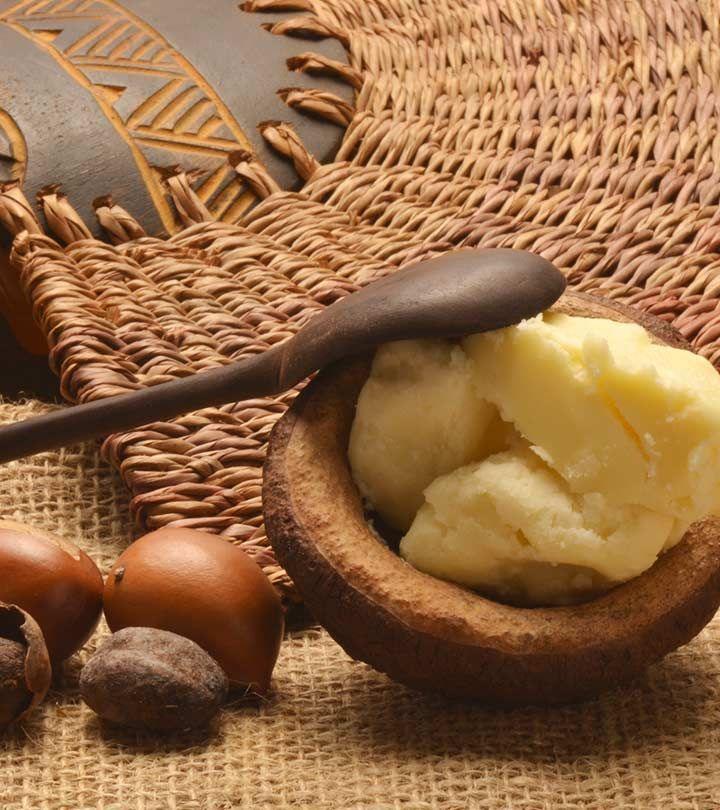
Mango butter comes from the seed kernel of the mango fruit, which contains fats that can be processed into a creamy butter for skincare.
Why Kanda uses it
Mango isn’t only having a career in your smoothie. It’s butter adds richness, softness and conditioning to formulations. It can give body-care products a moisturising feel without always feeling as heavy as some traditional body butters, especially in our mango body balms
Did you know?
It’s the seed kernel—not the juicy mango flesh—that becomes mango butter.
So technically, your mango has a skincare career after all. Read more about it here
3. Cocoa Butter
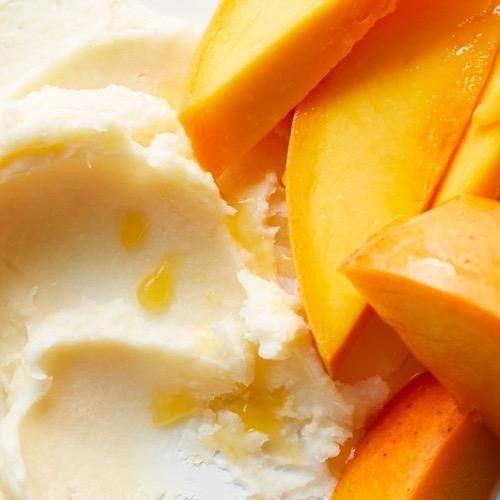
Cocoa butter comes from the cocoa bean and is a rich plant-based fat that softens with body heat.
Yes, the same cocoa plant responsible for chocolate has another job.
Why Kanda uses it
We use cocoa butter in our cocoa body balm for its rich emollient feel and conditioning properties. It helps create smooth, substantial textures in richer skincare products, leaving skin feeling soft and moisturised.
Did you know?
Cocoa butter is the natural fat found in cocoa beans.
So when you’re using cocoa butter skincare, you’re using a small part of the same plant that gives us chocolate. You’re welcome. 😂 Read more about it here.
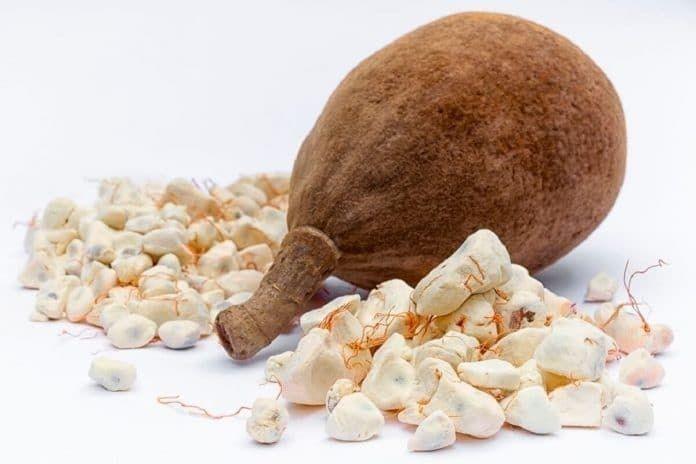
4. Baobab Oil
The “Tree of Life” has a skincare story too.
Baobab oil is extracted from the seeds of the baobab fruit and contains naturally occurring fatty acids that make it useful in cosmetic formulations.
Why Kanda uses it
We use baobab oil in our Baobab Soap for its conditioning and emollient properties. In oil-based formulations, it helps create a soft, moisturised feel while allowing us to work with an ingredient closely connected to Africa.
Did you know?
Different African communities have historically found uses for many parts of the baobab tree, including its fruit, seeds, bark and leaves.
A tree with range. You can read more about the benefits of Baobab Oil in skincare here
5. Neem
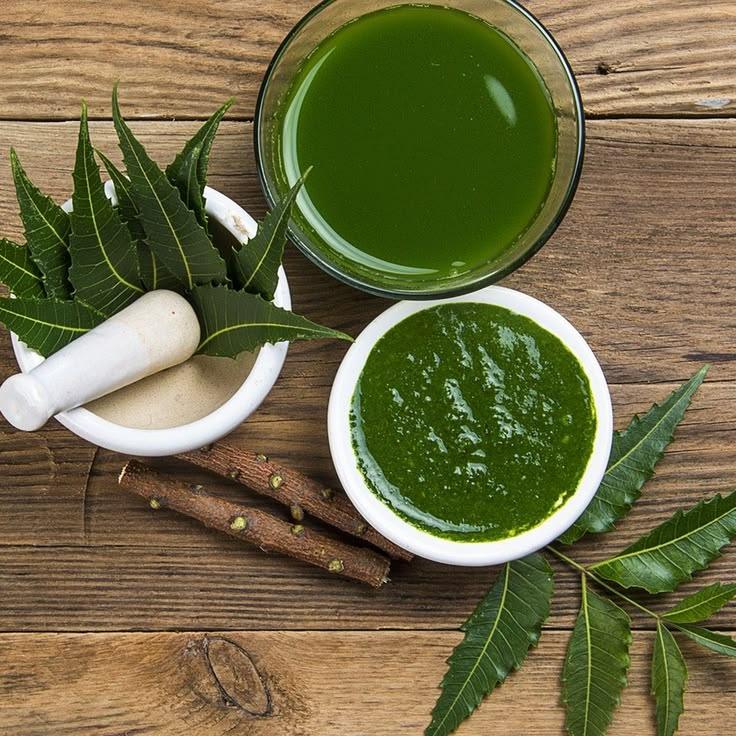
If you’ve grown up around neem, you probably already know that this isn’t a new skincare discovery.
Neem has a long history of traditional use in parts of Africa and Asia, including personal care. Its leaves, bark and seeds contain naturally occurring compounds that have made neem particularly interesting in skincare.
Why Kanda uses it
We use neem in some of our cold-process soaps (like the Neem Soap) because of its naturally occurring antioxidant and cleansing-supporting properties.
Neem contains compounds such as limonoids and flavonoids, which contribute to its antioxidant activity. In a cleansing product, neem can help leave the skin feeling clean, refreshed and comfortable, while its traditional use makes it a meaningful botanical ingredient for formulations designed for everyday skin care.
Did you know?
Neem is well adapted to hot, dry climates, which is one reason it has become common across many tropical and subtropical regions.
An old African botanical, thoughtfully formulated for everyday cleansing.
6. Coffee
“Wait… coffee?”
Yes. ☕️
Coffee is part of our Lemon-Coffee Liquid Black Soap formulation.
Why Kanda uses it
Coffee contributes to the product’s botanical character and cleansing experience, making it distinctly Lemon-Coffee Liquid Black Soap rather than simply another liquid cleanser.
And no, we’re not saying your morning coffee and your skincare are interchangeable.
Please keep drinking your coffee. We’ll handle the soap.
Did you know?
Coffee beans aren’t actually beans. They’re the seeds of coffee cherries.
So your morning coffee technically comes from fruit.

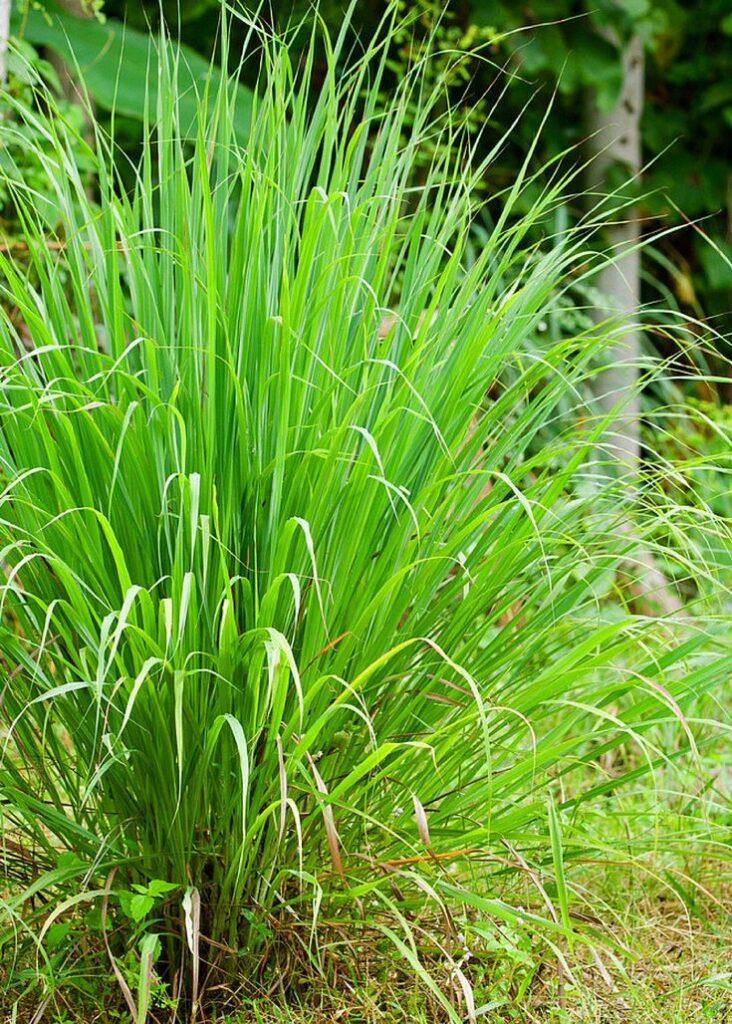
7. Lemongrass
You probably notice lemongrass with your nose before anything else.
Its fresh, citrusy aroma has made it popular in food, traditional practices and personal care.
Why Kanda uses it
We use lemongrass in our Lemon-Coffee Liquid Black Soap, where its botanical character and aromatic qualities make sense in a formulation.
Because skincare isn’t only about ingredients. Texture, scent and how a product feels matter too—especially when it’s something you’re going to use every day.
Did you know?
Lemongrass is actually grass. It isn’t a type of lemon.
Nobody squeezed lemons into your skincare. 😂
So, Why These Ingredients?
There’s a reason we wanted to share this list.
Most of these ingredients aren’t new.
They’ve been around us for generations.
What matters to us at Kanda isn’t simply saying:
“It’s natural.”
We ask:
- What does this ingredient contribute?
- How does it work with the other ingredients?
- What does it do to the texture and feel?
- Does it make sense for the product we’re creating?
- Is it right for the way the product is intended to be used?
Because the ingredient is only part of the story.
Two products can contain shea butter, for example, and feel completely different because the rest of the formulation is different.
That’s why we care about formulation, not just ingredient lists.
African Ingredients Aren’t a Trend
We also don’t think African ingredients need to be presented as some exciting new discovery just because they’re appearing in modern skincare.
Shea, baobab, neem and other African botanicals have histories that go far beyond the beauty industry.
Our role is to take that ingredient heritage seriously while combining it with thoughtful formulation to create effective, enjoyable skincare for modern everyday life.
Not romanticising every plant.
Not claiming every botanical can solve every skin concern.
And definitely not adding an African ingredient simply because it looks good on a label.
We want you to know why it’s there.
That’s the Kanda approach.
African ingredients. Thoughtfully formulated. Made for everyday skincare.
Explore Kanda Natural and discover the ingredients behind your favourite products.